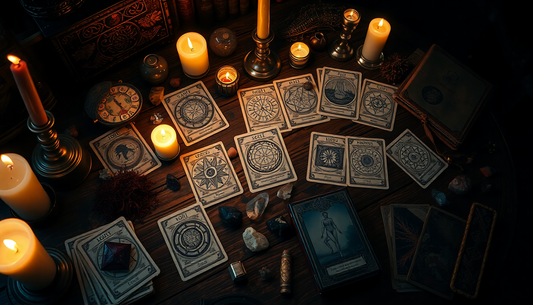
Elevate Your Space: Infusing Spiritual Serenity with Mandala Designs
In our fast-paced modern world, creating a sanctuary of peace and tranquility within our homes has become more important than ever. The spaces we inhabit directly influence our mental state, emotional well-being, and spiritual growth. One of the most powerful ways to transform your environment into a haven of serenity is through the incorporation of mandala designs. These ancient, sacred geometric patterns have been used for centuries across various cultures and spiritual traditions to promote healing, meditation, and inner peace. At IraBennett, we believe that your living space should be a reflection of your inner self, a place where spirituality and aesthetics converge to create an atmosphere that nourishes your soul.
Mandala designs represent far more than mere decoration. They are visual expressions of the universe, mathematical representations of harmony, and spiritual tools that guide us toward enlightenment and self-discovery. Whether you're seeking to deepen your meditation practice, create a yoga sanctuary, or simply infuse your home with positive energy and visual beauty, mandala designs offer an elegant and meaningful solution. This comprehensive guide will explore how you can elevate your space through the thoughtful integration of mandala designs, transforming your environment into a spiritual retreat that supports your journey toward inner peace and personal growth.
Understanding the Profound Meaning Behind Mandala Designs
The Historical Significance of Mandalas
The word mandala comes from Sanskrit, meaning circle or completion. These intricate geometric patterns have their roots in ancient Hindu and Buddhist traditions, where they served as spiritual tools for meditation and prayer. In Hinduism, mandalas represent the universe and the divine, with each element carefully placed to create a balanced, harmonious whole. Buddhist mandalas, particularly those created in Tibetan traditions, are often temporary works of art made from colored sand, symbolizing the impermanence of all things and the cycle of life.
The creation of mandalas is itself a spiritual practice. Monks and spiritual practitioners spend hours, days, or even weeks creating these intricate designs, using the process as a form of meditation and devotion. The repetitive, focused nature of mandala creation brings the mind into a state of flow, quieting mental chatter and connecting the creator with something greater than themselves. This same meditative quality can be experienced by those who simply gaze upon a mandala, allowing their eyes to follow the patterns inward toward the center, mirroring the journey of the soul toward enlightenment.
The Spiritual Symbolism of Mandala Elements
Each component of a mandala carries specific spiritual significance. The center point, or bindu, represents the source of all creation and the divine spark within each individual. The concentric circles radiating outward symbolize the expansion of consciousness and the interconnectedness of all beings. The geometric shapes—triangles, squares, and hexagons—represent different aspects of existence and the balance between opposing forces.
Colors in mandalas also hold deep meaning. Red represents passion and energy, blue symbolizes peace and wisdom, green embodies growth and healing, yellow radiates joy and enlightenment, and purple connects us to spiritual awareness and transformation. When you choose mandala designs for your space, understanding these symbolic elements allows you to select pieces that resonate with your current spiritual needs and intentions.
The Psychological and Emotional Benefits of Mandala Designs
Creating a Calming Visual Environment
The human brain is naturally drawn to patterns and symmetry. Mandala designs, with their perfect geometric balance and repetitive patterns, have a naturally calming effect on our nervous system. When we view a mandala, our eyes naturally follow the patterns toward the center, creating a meditative experience that slows our breathing, lowers our heart rate, and reduces stress hormones like cortisol.
Research in environmental psychology has shown that spaces decorated with symmetrical, harmonious patterns promote relaxation and reduce anxiety. Unlike chaotic or cluttered environments that overstimulate the brain, mandala designs create visual order that allows our minds to settle into a state of calm focus. This is particularly beneficial in bedrooms, meditation spaces, and home offices where mental clarity and emotional balance are essential.
Enhancing Focus and Mental Clarity
Beyond their calming effects, mandalas can enhance concentration and mental clarity. The intricate patterns engage the visual cortex in a way that quiets the default mode network—the part of the brain responsible for mind-wandering and self-referential thinking. By focusing on the geometric patterns of a mandala, you can achieve a state of flow where distracting thoughts fade away and your mind becomes fully present.
This makes mandala designs particularly valuable in home offices and study spaces. A mandala artwork on your wall can serve as a visual anchor, helping you maintain focus during work or study sessions. Many people find that glancing at a mandala during moments of mental fatigue helps them reset their attention and return to their tasks with renewed clarity and purpose.
Supporting Emotional Healing and Balance
Mandalas have long been used in therapeutic settings to support emotional healing and psychological integration. The act of creating or contemplating a mandala can help process difficult emotions, integrate shadow aspects of the self, and promote emotional balance. The circular, complete nature of mandalas symbolizes wholeness and integration, making them powerful tools for those working through emotional challenges or seeking greater self-acceptance.
For individuals dealing with anxiety, depression, or emotional trauma, mandala designs in the home environment can provide a gentle, non-intrusive form of support. The visual harmony and spiritual symbolism of mandalas can remind us of our inherent wholeness and the possibility of healing and transformation.
Selecting the Right Mandala Designs for Your Space
Assessing Your Space and Needs
Before incorporating mandala designs into your home, take time to assess your space and clarify your intentions. Consider the room's purpose, its current aesthetic, and what you hope to achieve by adding mandala elements. Are you creating a meditation sanctuary, a peaceful bedroom retreat, a focused work environment, or a welcoming living space? Your answer will guide your selection of mandala designs.
Different rooms benefit from different mandala styles and placements. A bedroom might feature soft, flowing mandalas in calming colors, while a meditation room could showcase more intricate, detailed designs that invite deep contemplation. A home office might benefit from mandalas in energizing colors that promote focus and creativity, while a living room could feature larger statement pieces that serve as conversation starters and visual focal points.
Choosing Colors That Resonate With Your Energy
Color selection is crucial when incorporating mandalas into your space. Consider both the existing color palette of your room and the emotional and spiritual qualities you wish to cultivate. Warm colors like reds, oranges, and yellows create energy and vitality, making them ideal for living spaces and creative areas. Cool colors like blues, greens, and purples promote calm and introspection, perfect for bedrooms and meditation spaces.
You might also consider monochromatic mandalas in black and white or metallic finishes, which offer a sophisticated, modern aesthetic while maintaining the spiritual essence of the design. These neutral options work well in contemporary spaces and can complement virtually any existing décor. Alternatively, multi-colored mandalas that incorporate a full spectrum of hues can create a sense of completeness and balance, representing the unity of all things.
Exploring Different Mandala Styles
Mandala designs vary widely in style and complexity. Traditional Hindu mandalas tend to feature intricate geometric patterns with bold, saturated colors. Buddhist mandalas often showcase more elaborate, detailed designs with spiritual symbolism specific to Buddhist philosophy. Modern, contemporary mandalas may simplify traditional patterns or blend them with other artistic styles, creating pieces that feel both spiritual and current.
Floral mandalas incorporate botanical elements, creating designs that feel organic and natural while maintaining the geometric precision of traditional mandalas. Sacred geometry mandalas emphasize mathematical patterns and proportions found throughout nature and the universe. Chakra mandalas focus on the seven energy centers of the body, with each mandala representing a specific chakra and its associated qualities.
At IraBennett, we offer a diverse collection of mandala designs to suit various aesthetic preferences and spiritual needs. Whether you're drawn to traditional, intricate patterns or contemporary, minimalist interpretations, you'll find pieces that resonate with your vision for your space.
Incorporating Mandalas Into Different Rooms
Creating a Sacred Meditation Space
A dedicated meditation space is a sanctuary for spiritual practice and inner exploration. Mandalas are the perfect centerpiece for such a space. Consider creating a focal point with a large mandala artwork positioned at eye level when seated in meditation. This gives your eyes a natural place to rest and provides a visual anchor for your practice.
Surround your primary mandala with complementary elements: cushions in colors that echo the mandala's palette, soft lighting that highlights the design, and perhaps additional smaller mandalas or mandala-inspired textiles. The goal is to create an environment where every element supports your meditation practice and spiritual growth. Plants can add life and natural energy to the space, while natural materials like wood and stone ground the environment and connect it to the earth.
Consider the lighting carefully. Soft, warm lighting enhances the meditative quality of the space, while harsh overhead lights can be jarring. Candles, salt lamps, or dimmable lights allow you to adjust the ambiance to suit your practice. Some practitioners find that placing a mandala where it catches natural light creates a dynamic, ever-changing visual experience throughout the day.
Transforming Your Bedroom Into a Peaceful Retreat
Your bedroom should be a sanctuary of rest and rejuvenation. Mandala designs can transform this intimate space into a haven of peace and spiritual connection. A large mandala artwork above the bed creates a focal point that draws the eye and establishes the room's spiritual tone. Choose designs in soft, calming colors—blues, greens, purples, and soft pinks—that promote relaxation and restful sleep.
Beyond wall art, consider incorporating mandalas through bedding, throw pillows, and wall tapestries. A mandala tapestry hung above the bed or on a feature wall adds texture and visual interest while maintaining the room's peaceful aesthetic. Mandala-patterned bedding can tie the room's design together while keeping the focus on rest and rejuvenation.
The placement of mandala designs in the bedroom should support the room's primary function: sleep and restoration. Avoid overly stimulating, complex designs that might engage the mind too actively. Instead, choose mandalas with flowing, gentle patterns that invite the eyes to relax and the mind to settle. Pair your mandala artwork with other elements that support sleep quality: blackout curtains, comfortable bedding, and perhaps a white noise machine or soft music.
Energizing Your Home Office or Creative Space
A home office or creative workspace benefits from mandala designs that promote focus, clarity, and creative inspiration. Choose mandalas in energizing colors like warm oranges, vibrant yellows, or deep purples that stimulate mental activity and creative thinking. Position your mandala artwork where you can see it during moments of mental fatigue or creative block.
Mandala designs can help establish boundaries between your work space and the rest of your home, creating a dedicated area for focus and productivity. A mandala artwork on the wall behind your desk creates a professional yet spiritually grounded aesthetic. Some people find that mandala designs on their desk—perhaps a small framed piece or a mandala mousepad—provide a subtle visual reminder to stay present and focused.
Consider the complexity of the mandala in relation to your work. For tasks requiring deep concentration, a more intricate mandala can provide a focal point that quiets mental chatter. For creative work that benefits from inspiration and flow, a mandala with more open space and flowing patterns might be more supportive. Experiment with different designs to discover what works best for your specific work style and needs.
Welcoming Guests Into Your Living Space
Your living room is often the first impression guests have of your home and your personality. Mandala designs can create a welcoming, spiritually grounded aesthetic that reflects your values and invites others into your world. A large mandala artwork serves as a conversation starter and visual focal point that draws people into the room.
Consider creating a gallery wall that combines mandalas with other meaningful artwork, photographs, or spiritual symbols. This creates visual interest while maintaining a cohesive aesthetic. Mandala-patterned throw pillows on your sofa or chairs add comfort and visual appeal without overwhelming the space. A mandala-inspired area rug can anchor the seating area and tie the room's design together.
The living room is an ideal space for mandalas that incorporate multiple colors and more complex designs, as these pieces can serve as visual interest and conversation starters. Choose designs that reflect your personal aesthetic and spiritual journey, creating a space that feels authentically yours while welcoming others to share in your sanctuary.
Practical Ways to Display Mandala Designs
Wall Art and Framed Pieces
Wall art is the most straightforward way to incorporate mandalas into your space. A large framed mandala serves as a focal point and can anchor an entire room's design. Consider the size of your wall and the room's proportions when selecting artwork. A small mandala on a large, empty wall might feel lost, while an oversized piece in a small room could feel overwhelming.
Framing options range from simple, minimalist frames that let the mandala shine to ornate frames that add additional visual interest. Consider frames in materials that complement your space: natural wood for a warm, organic aesthetic; metal for a modern, contemporary feel; or painted frames in colors that echo the mandala's palette.
Grouping multiple mandala artworks creates visual impact and allows you to explore different designs and color palettes. A gallery wall of mandalas in varying sizes and styles creates a dynamic, personalized display that tells the story of your spiritual journey. Arrange pieces in a grid pattern for a modern aesthetic, or create an organic, flowing arrangement for a more eclectic feel.
Tapestries and Textile Art
Mandala tapestries offer a versatile way to incorporate these designs into your space. Hung on a wall, a large tapestry creates a dramatic focal point and adds texture and dimension to your décor. Draped over a sofa or chair, a mandala tapestry adds comfort and visual interest while maintaining the room's spiritual aesthetic.
Tapestries are particularly valuable in rental spaces where you might not be able to hang permanent artwork. They can be easily moved, rearranged, or removed without damaging walls. The fabric texture of tapestries adds warmth and softness to a space, creating a more inviting, lived-in feel than framed artwork alone.
Consider the material of your tapestry. Cotton and cotton blends offer durability and easy care, while silk or silk-like materials create a more luxurious aesthetic. Some tapestries feature intricate embroidery or beading that adds additional visual and tactile interest. The weight and drape of the fabric affect how the mandala design appears, so consider these factors when making your selection.
Mandala Rugs and Floor Coverings
A mandala rug anchors a space and creates a visual foundation for your room's design. A large mandala rug in a living room or bedroom defines the seating or sleeping area and adds warmth and comfort underfoot. Mandala rugs come in various sizes, colors, and materials, allowing you to find a piece that perfectly complements your space.
Rugs add acoustic benefits to a room, absorbing sound and creating a cozier, more intimate atmosphere. In meditation spaces, a mandala rug provides a comfortable surface for sitting or practicing yoga. In living rooms, a mandala rug defines the seating area and creates visual cohesion among furniture pieces.
Consider the durability and maintenance requirements of your rug, particularly in high-traffic areas. Natural fiber rugs like wool or jute offer durability and a warm aesthetic but may require more careful cleaning. Synthetic materials are often more stain-resistant and easier to maintain, making them ideal for busy households or spaces prone to spills.
Decorative Objects and Functional Items
Beyond wall art and textiles, mandalas can be incorporated through decorative objects and functional items. Mandala throw pillows add comfort and visual interest to sofas, chairs, and beds. Mandala-patterned dinnerware brings spiritual aesthetics to your dining experience. Mandala designs on journals, notebooks, and desk accessories infuse your workspace with spiritual intention.
Mandala-inspired home décor items—from vases and bowls to candle holders and incense burners—create a cohesive aesthetic throughout your home. These functional items serve practical purposes while maintaining the spiritual theme of your space. Collecting mandala items over time creates a personalized environment that reflects your spiritual journey and aesthetic preferences.
Consider creating a mandala collection that grows and evolves with you. Each piece you add can represent a stage of your spiritual development or a specific intention you're working with. This creates a deeply personal environment that tells the story of your inner journey.
Combining Mandalas With Other Spiritual Elements
Pairing Mandalas With Crystals and Gemstones
Crystals and gemstones complement mandala designs beautifully, adding another layer of spiritual energy to your space. Place crystals in front of mandala artwork to amplify the energy of both elements. Clear quartz amplifies the energy of any mandala, while amethyst adds a calming, spiritual quality. Rose quartz brings loving, compassionate energy, perfect for bedrooms and healing spaces.
Create a crystal grid using a mandala as the foundation. Place crystals at specific points on the mandala design to create an energetic pattern that supports your intentions. This combines the visual beauty of both elements while creating a powerful spiritual tool for manifestation and healing.
Display crystals on shelves near mandala artwork, or create a dedicated crystal and mandala display that becomes a focal point in your room. The combination of geometric mandala